
Truck Insurance Coverages that are NOT mandatory, but can save you from a financial disaster
Table of Contents
Many truckers in the United States, especially those starting out as owner operators believe that meeting the minimum insurance requirements set by the DOT or FMCSA is enough.
They have their Liability Insurance, a Cargo Insurance policy, and with that, they feel their company is “legal.”
The truth is that a single accident, an unexpected storm, or a poorly managed claim can cost a trucking company thousands of dollars and, in some cases, force it to shut down permanently. That’s why non-mandatory but essential coverages exist, protections that can mean the difference between losing everything or keeping your business alive.
In this blog, we’ll talk about these “optional” coverages that actually act as a financial lifesaver. You’ll see what they cover, why they matter, and how to protect yourself from risks that not everyone sees coming.
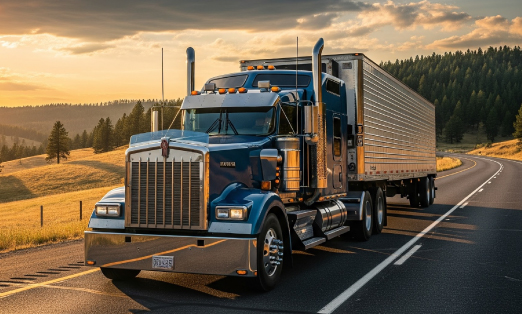
Truck insurance
1- Physical Damage Insurance
While Liability Insurance covers the damage you cause to others, Physical Damage protects your own truck. This insurance covers physical damage to the vehicle in case of an accident, fire, vandalism, or natural disasters.
Is it mandatory or not?
This is where many get confused. It is not a mandatory coverage by federal or state law, but it can be mandatory in certain scenarios. Here’s how it differs:
Situation | Is it mandatory? | Reason |
Financed truck or leasing | Yes | The bank or finance company requires protection for its investment. |
Fully paid truck with no contract | No | You are free to decide, although the risk is high without it. |
Contract with a carrier company or leasing company | Yes | It is a contactual requirement, though not a DOT requirement. |
If you have fully paid your truck, no one can force you to have this policy. But in practice, skipping it can be a major financial mistake.
2- Non-Trucking Liability
Many truckers believe their truck is covered all the time under the carrier’s policy, but in reality, it only applies when they are working or transporting freight.
Non-Trucking Liability covers accidents that happen outside of commercial operation, such as when you drive without a load, head back home, or go to the shop.
Although it is not mandatory, this policy can save you from a huge expense since damages caused during personal trips are not covered by the carrier’s main insurance. A single minor accident can result in thousands of dollars in damages and lawsuits, without this coverage, all costs fall on you.
That’s why many owner operators consider it essential, especially those who work under contract with different carriers. It’s a way to ensure your truck and your wallet are protected even when you’re off the clock.
3- Trailer Interchange Insurance
In freight transport, it’s common for truckers to work with trailers they do not own, especially in drop and hook operations. Trailer Interchange Insurance covers the physical damage that a non-owned trailer may suffer while under your responsibility, whether due to an accident, fire, vandalism, or theft.
Without this coverage, the company that owns the trailer could require you to pay the full cost of damages, putting your financial stability, or even your contract at risk.
However, the policy alone is not enough. You must also have a Trailer Interchange Agreement, the contract that specifies your role with that trailer and includes all the necessary information for the coverage to be valid. This agreement clarifies responsibilities and ensures the insurance company responds properly in case of an incident.
Having both the policy and the agreement guarantees full protection and prevents financial or contractual issues when working with equipment that isn’t yours.
4- Worker’s Compensation
Worker’s Compensation Insurance is not always mandatory for small businesses or owner operators without employees, but it becomes essential when you have hired drivers or support staff.
This policy covers medical expenses, temporary disabilities, and compensation in case of work-related injuries. For example, if a driver has an accident while unloading freight or gets injured climbing into the truck, the insurance will cover medical costs and lost work time.
Beyond being a legal requirement in some states, it’s a sign of business responsibility. It prevents costly lawsuits related to workplace accidents and provides security for both the worker and the employer.
In an industry as risky as transportation, not having this coverage can jeopardize the financial stability of your company.
5- Umbrella Policy
The Umbrella Policy extends the coverage limits of your primary insurance policies, such as Liability or Cargo. For example, if you have a serious accident causing damages exceeding one million dollars and your liability only covers up to that amount, the Umbrella kicks in and covers the excess.
This policy does not replace your existing insurance, it supplements it. It is especially useful for businesses with multiple trucks or contracts with large corporations, where liability limits tend to be very high.
Although it is generally not legally required, in some cases brokers or carriers may request it as a requirement to work with you, precisely to ensure their risk is protected.
In short, the Umbrella is one of the smartest ways to protect your business assets against high-value claims or lawsuits. When everything else falls short, this coverage becomes the safety net that prevents an incident from putting your company in danger.
6- Excess Liability
Often confused with the Umbrella, Excess Liability Insurance works similarly but is more specific. Instead of covering multiple policies, it extends the limits of a particular coverage, such as General Liability or Auto Liability.
This means that if your commercial liability policy has a $1 million limit, and you face a $1.5 million claim, the Excess Liability policy will cover the additional $500,000. It is an extra layer of protection focused on very specific risks, perfect for companies with high-value contracts or that transport especially delicate cargo.
In Summary
Meeting mandatory truck insurance requirements keeps you compliant with the law, but only additional coverages keep you safe from financial ruin.
An accident, a lawsuit, or a workplace injury can wipe out years of hard work if you don’t have the proper protection.
These policies, Physical Damage, Non-Trucking Liability, Trailer Interchange, Worker’s Compensation, Umbrella, and Excess Liability, are not luxuries; they are investments in stability and continuity. In an industry as unpredictable as transportation, it’s not just about moving freight… it’s about protecting the path that keeps your business running.
If you don’t know where to start, specialized agencies like Preventty can guide you step-by-step to identify the coverages your operation truly needs, optimize your costs, and ensure you meet state and commercial requirements.


